


Entrepreneurs have played a major role in shaping the modern business world. From technology and retail to fashion, entertainment, and finance, famous entrepreneurs have built companies that influence how millions of people live and work. Their journeys often involve bold ideas, difficult decisions, failures, and years of persistence.
Some entrepreneurs started with limited resources, while others transformed existing industries through new technology and business models. What connects many successful entrepreneurs is their willingness to take risks, solve problems, and continue learning. Their stories offer useful lessons for anyone interested in starting a business or developing a career.
What Makes an Entrepreneur Famous?
Fame in business usually comes from more than simply making money. Famous entrepreneurs often become recognised because they introduce innovative products, create influential companies, change consumer behaviour, or build brands that become part of everyday life.
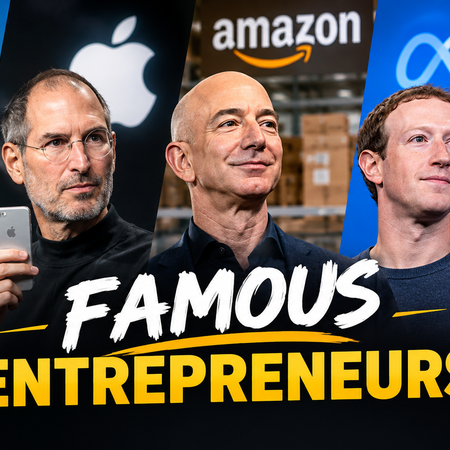
Entrepreneurs such as Bill Gates, Steve Jobs, Jeff Bezos, Elon Musk, Richard Branson, and Mark Zuckerberg became widely known because their companies had a major impact on technology, commerce, communication, or popular culture.
However, entrepreneurial success can take many forms. A business owner does not have to build a global technology company to become successful. Entrepreneurs can create valuable businesses in areas such as hospitality, property, fashion, food, education, healthcare, and professional services.
Bill Gates and the Rise of Microsoft
Bill Gates is one of the most recognised entrepreneurs in modern technology. He co-founded Microsoft, a company that became one of the most influential software businesses in the world.
Gates focused heavily on software at a time when personal computers were becoming increasingly important. Microsoft’s operating systems and software products helped make computers more accessible to businesses and households.
His career also demonstrates how entrepreneurs can evolve after building a successful company. Gates later became strongly associated with philanthropy and global development. His journey shows that entrepreneurship can eventually extend beyond commercial success.
Steve Jobs and Apple’s Global Influence
Steve Jobs became famous for his role in building Apple into one of the world’s most influential technology brands. His approach combined technology, design, marketing, and user experience.
Jobs believed that products should not only work well but should also be simple and appealing. This philosophy helped Apple develop products that attracted a loyal global audience.
His career also included setbacks. Jobs left Apple before eventually returning to the company. His story is often remembered as an example of persistence, creative thinking, and the importance of having a clear vision.
Jeff Bezos and the Transformation of Retail
Jeff Bezos founded Amazon after identifying the potential of the internet as a new way to sell products. What began as an online bookseller developed into a huge global business serving customers across many markets.
Bezos placed significant emphasis on customer experience, convenience, and long-term growth. Amazon expanded beyond books into electronics, clothing, entertainment, cloud computing, and other services.
His entrepreneurial journey demonstrates how a relatively focused business idea can develop into a much larger company when an entrepreneur continues to adapt to changing customer needs.
Elon Musk and Technology Entrepreneurship
Elon Musk is among the most discussed entrepreneurs of the modern era. He has been associated with several major technology businesses and ambitious projects involving electric vehicles, space technology, artificial intelligence, and digital communication.
His work with companies such as Tesla and SpaceX has attracted considerable global attention. Musk is particularly known for pursuing projects that involve substantial technological and financial challenges.
Regardless of opinions about his management style or business decisions, his career demonstrates the potential impact of ambitious goals and investment in emerging technologies.
Richard Branson and the Virgin Brand
Richard Branson is one of Britain’s best-known entrepreneurs. He built the Virgin brand across multiple industries, including music, travel, entertainment, and other consumer businesses.
Branson became known for his unconventional approach to business and his strong personal brand. Instead of limiting Virgin to one specific industry, he used the brand across different markets.
His career highlights the importance of branding, customer experience, marketing, and willingness to enter competitive industries with a distinctive business identity.
Mark Zuckerberg and Social Media
Mark Zuckerberg co-founded Facebook, which later became part of Meta. The platform began as a social networking service and eventually developed into one of the world’s largest digital communication businesses.
Zuckerberg’s journey demonstrates how quickly technology companies can grow when they solve a problem that attracts a large audience. Social media has since become a major part of communication, marketing, entertainment, and online business.
His story also illustrates the challenges that come with operating a platform used by billions of people, particularly around privacy, content moderation, and regulation.
Oprah Winfrey as an Entrepreneur
Oprah Winfrey is an important example of an entrepreneur who built a powerful business career through media, communication, and personal branding.
She developed her television career into a broader business empire involving publishing, production, partnerships, and other media ventures. Her ability to connect with audiences became a major part of her commercial success.
Winfrey’s journey shows that entrepreneurship is not limited to technology or traditional business sectors. Personal expertise, communication skills, and audience trust can also become valuable business assets.
Sara Blakely and Spanx
Sara Blakely founded Spanx after identifying an everyday clothing problem and developing a simple solution. Her story became particularly notable because she built the business from an idea rather than beginning with a large established company.
Blakely’s success demonstrates the importance of recognising problems that consumers experience in ordinary life. A relatively simple product can become a major business when it meets a genuine need and is marketed effectively.
Her career is also frequently associated with persistence and confidence, two qualities that can be important for entrepreneurs facing rejection.
Melanie Perkins and Canva
Melanie Perkins is another entrepreneur whose company has changed how people create digital content. She co-founded Canva, an online design platform that makes graphic design more accessible to people without professional design training.
Canva grew by focusing on simplicity and ease of use. Instead of requiring users to master complex design software, the platform provides accessible tools for creating presentations, social media graphics, documents, and other visual content.
Perkins’ journey shows how entrepreneurs can identify complicated processes and simplify them for a much wider audience.
Lessons From Famous Entrepreneurs
The stories of famous entrepreneurs reveal several common themes. Successful business leaders often begin by identifying a problem, opportunity, or unmet customer need. They then develop a solution and work continuously to improve it.
Persistence is another important factor. Many entrepreneurs experience rejection, financial pressure, failed products, or major setbacks before achieving meaningful success. Failure does not automatically mean an idea has no value. Sometimes it provides information that helps an entrepreneur make better decisions.
Adaptability is equally important. Markets change, technology develops, and customer expectations evolve. Entrepreneurs who remain open to new ideas can respond more effectively to these changes.
Finally, strong leadership can help transform an idea into a sustainable organisation. Building a company requires more than an original concept. It also requires people, planning, communication, financial management, marketing, and the ability to make difficult decisions.
Why Famous Entrepreneurs Matter Today
Famous entrepreneurs influence more than business. Their companies can create jobs, introduce new technologies, change consumer habits, and encourage investment in emerging industries.
For young people and aspiring business owners, these stories can provide motivation. They show that successful companies can begin with relatively simple ideas when entrepreneurs understand their customers and remain committed to improvement.
At the same time, famous entrepreneurs should not be viewed as perfect examples. Every major business story contains difficult decisions, controversies, mistakes, and circumstances that cannot easily be replicated. The most useful approach is to study their strategies while developing an independent understanding of business.
Conclusion
Famous entrepreneurs have helped shape some of the biggest changes in modern business. From technology pioneers such as Bill Gates and Steve Jobs to British business leaders such as Richard Branson and newer entrepreneurs such as Melanie Perkins, their careers demonstrate the power of innovation and determination.
Their experiences show that entrepreneurship is not simply about becoming wealthy or famous. It is about identifying opportunities, solving problems, building useful products, and creating lasting value. For anyone considering entrepreneurship, studying successful business leaders can provide valuable ideas while reminding us that meaningful success usually requires patience, adaptability, and consistent effort.
FAQs
Who are the most famous entrepreneurs?
Some of the world’s most famous entrepreneurs include Bill Gates, Steve Jobs, Jeff Bezos, Elon Musk, Richard Branson, Mark Zuckerberg, Oprah Winfrey, Sara Blakely, and Melanie Perkins. They became widely recognised through influential companies, products, brands, or media businesses.
Who is the most famous entrepreneur in the UK?
Richard Branson is one of the most famous British entrepreneurs. He founded the Virgin brand and expanded it across several industries, becoming internationally recognised for his distinctive approach to business and branding.
What do famous entrepreneurs have in common?
Many famous entrepreneurs share qualities such as persistence, creativity, leadership, adaptability, and willingness to take calculated risks. They also tend to focus on solving problems or meeting customer needs.
Can anyone become a successful entrepreneur?
Anyone with a useful idea, strong work ethic, willingness to learn, and the ability to adapt can pursue entrepreneurship. However, success is never guaranteed and usually requires significant effort, planning, and persistence.
Who is a famous entrepreneur in technology?
Bill Gates, Steve Jobs, Jeff Bezos, Elon Musk, Mark Zuckerberg, and Melanie Perkins are well-known technology entrepreneurs. Their companies have influenced software, hardware, e-commerce, social media, design, and other areas of technology.
Why are famous entrepreneurs important?
Famous entrepreneurs can influence economies, create employment, introduce new products, and encourage technological development. Their companies can also change how people communicate, shop, work, and access services.
For more updates visit: DAILY FRONT

Other Articles

Susan Dell Face Appearance, Style, Photos and Life




No Comment! Be the first one.