


Fast fashion is a clothing business model that produces trendy garments quickly and sells them at low prices. It allows shoppers to buy new styles often without spending much money. However, this approach can encourage overconsumption, increase textile waste and put pressure on garment workers. Understanding how fast fashion works helps you make better clothing choices, reduce waste and spend your money more wisely.
What Is Fast Fashion?
Fast fashion refers to the rapid design, production and sale of clothing inspired by current trends. Brands aim to move styles from the drawing board to shops as quickly as possible.
Unlike traditional fashion collections, which often follow seasonal schedules, fast fashion retailers may introduce new products throughout the year. As a result, customers see fresh styles whenever they visit a shop or website.
The business model relies on quick production, affordable prices and frequent purchases. However, low prices do not always reflect the full environmental and social costs of making clothes.
How Does Fast Fashion Work?
Fast fashion works by turning popular clothing trends into affordable products within short periods. Retailers monitor customer demand, social media and emerging styles to decide what to sell.
Rapid Design and Production
Brands use sales data and trend forecasts to identify popular designs. They then work with manufacturers to produce garments quickly.
Some retailers place small initial orders and increase production when items sell well. Others produce large volumes to keep prices low. Therefore, production methods vary between companies.
Low Prices and High Sales Volumes
Affordable prices attract shoppers who want fashionable clothing without a large budget. Brands often reduce costs through large orders, cheaper materials and efficient supply chains.
However, pressure to lower costs can create problems when suppliers lack the resources to protect workers or improve environmental standards.
Constantly Changing Collections
Many retailers release new clothing frequently to maintain customer interest. Limited stock and promotional offers can also encourage quick purchases.
Consequently, shoppers may feel pressure to buy items before they disappear. This can lead to wardrobes filled with clothes that receive little use.
Why Is Fast Fashion So Popular?
Fast fashion remains popular because it combines affordability, convenience and access to current trends.
For many shoppers, clothing is a way to express personal style. Affordable retailers make it easier to experiment with different looks without paying designer prices.
Social media also plays an important role. Influencers, celebrities and online trends can create sudden demand for particular outfits. Meanwhile, shopping apps make buying new clothes quick and convenient.
Budget pressures matter too. Some people choose cheaper clothing because higher-priced alternatives are simply unaffordable. Therefore, discussions about responsible shopping must recognise different financial circumstances.
What Is the Environmental Impact of Fast Fashion?
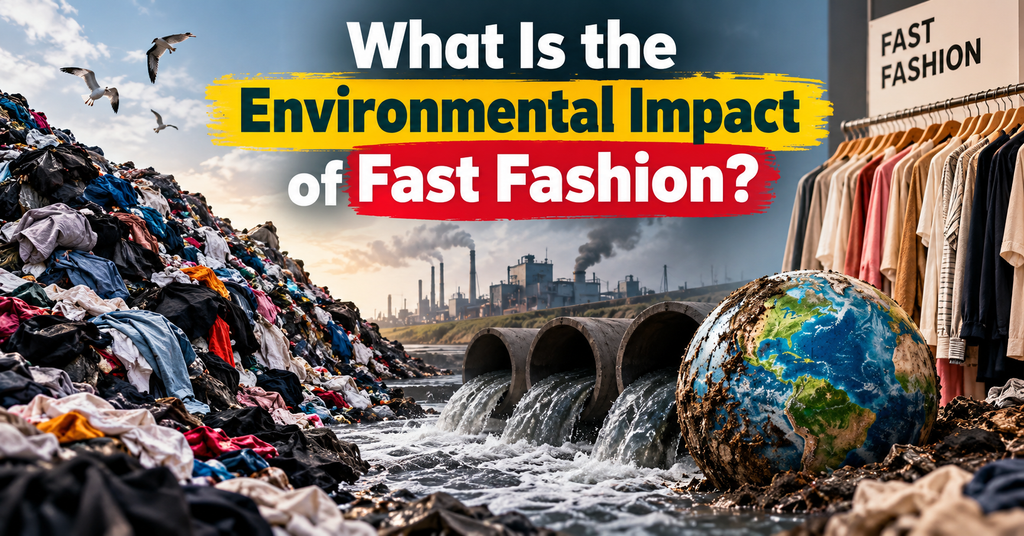
The environmental impact of fast fashion comes from producing, transporting, using and disposing of clothing. Its effects include greenhouse gas emissions, water consumption, pollution and growing textile waste.
Water Consumption and Pollution
Growing cotton, dyeing fabrics and finishing garments can require significant amounts of water. The impact depends on the material, location and production method.
Furthermore, poorly managed textile factories may release harmful chemicals into waterways. Effective wastewater treatment and safer manufacturing practices can reduce these risks.
Carbon Emissions and Energy Use
Clothing production uses energy at several stages, including fibre production, manufacturing and transport.
Synthetic fabrics such as polyester usually come from fossil fuel-based materials. In addition, factories that rely on fossil fuels can generate substantial emissions.
However, environmental impact varies across fabrics and manufacturers. A garment’s lifespan and how often someone wears it also matter.
Textile Waste and Landfill
Frequent clothing purchases can increase the amount of unwanted clothing. Some garments are donated or resold, while others enter waste streams.
Unfortunately, recycling mixed-fibre clothing remains difficult. Many textiles contain combinations of materials that are challenging to separate.
As a result, reducing unnecessary purchases and extending clothing life can help limit waste.
Microplastic Pollution
Synthetic clothing can release tiny plastic fibres during washing and everyday use. These fibres may enter rivers, oceans and other environments.
Washing methods, fabric construction and filtration systems can influence fibre release. However, preventing pollution also requires changes in textile design and manufacturing.
How Does Fast Fashion Affect Workers?
Fast fashion can create employment opportunities, but intense production pressure may contribute to poor working conditions.
Garment workers in some supply chains face low wages, excessive working hours and unsafe workplaces. These problems become more serious when factories operate under tight deadlines and limited budgets.
The 2013 Rana Plaza building collapse in Bangladesh highlighted the dangers of unsafe garment manufacturing. It also increased public attention on factory inspections and worker protection.
However, working conditions differ across suppliers. Not every low-cost clothing brand operates in the same way.
Stronger labour laws, independent inspections, fair purchasing practices and worker representation can help improve conditions.
Fast Fashion vs Slow Fashion: What Is the Difference?
Fast fashion focuses on frequent product releases, rapid production and affordable trends. Slow fashion places greater emphasis on durability, thoughtful purchasing and longer clothing lifespans.
Slow fashion encourages people to buy fewer items and choose garments they can wear repeatedly. It also supports repairing, reusing and caring for existing clothing.
However, slow fashion does not always mean expensive designer clothing. Buying second-hand garments or wearing affordable clothes for years can also support a slower approach.
The main difference is how clothing is produced, purchased and used, rather than price alone.
Is Fast Fashion Always Bad?
Fast fashion raises serious environmental and ethical concerns, but the issue is more complex than simply labelling every affordable garment harmful.
Low-cost clothing makes fashion accessible to people with limited budgets. It also supports jobs throughout global supply chains.
Nevertheless, problems arise when companies encourage excessive consumption or fail to address pollution and unsafe working conditions.
A cheap garment worn regularly for several years may provide better value than an expensive item worn only twice.
Therefore, responsible fashion involves examining production practices, garment quality and personal shopping habits.
How Can You Reduce Your Fast Fashion Impact?
You do not need to replace your entire wardrobe to make more responsible clothing choices. Small, practical changes can help reduce waste and unnecessary spending.
Buy Clothes You Will Actually Wear
Before purchasing something, consider whether it matches your existing wardrobe. Think about where you will wear it and how often.
If an item only suits one unlikely occasion, it may not offer good value. Instead, choose clothing that fits your lifestyle.
Choose Quality Over Quantity
Check seams, fabric strength, stitching and care instructions before buying.
Higher prices do not automatically guarantee better quality. Therefore, judge each garment on its construction and likely durability.
Clothes that last longer can reduce the need for frequent replacements.
Explore Second-Hand Clothing
Charity shops, vintage retailers and resale platforms offer alternatives to buying new garments.
In the UK, second-hand shopping can also help people find affordable clothing with individual style.
However, buying excessive amounts of second-hand clothing can still create unnecessary consumption. Purchase items because you need or genuinely want them.
Repair and Care for Your Clothes
Simple repairs can extend the life of damaged garments. Replacing buttons, fixing seams and repairing small tears often costs less than buying replacements.
Also, follow washing instructions and avoid unnecessary high-temperature washing. Proper care can help preserve fabric quality.
Look Beyond Sustainability Claims
Some brands advertise clothing as environmentally friendly without providing enough supporting information. This practice can contribute to greenwashing.
Look for clear details about materials, manufacturing processes, working conditions and measurable improvements.
Independent certifications may provide useful evidence, although their scope and standards differ.
The Future of Fast Fashion in the UK
The future of fast fashion will depend on consumer behaviour, business practices, technology and government policy.
Interest in second-hand clothing, resale services and garment repair creates opportunities to extend product lifespans. Meanwhile, manufacturers are exploring ways to reduce waste and improve textile recycling.
However, recycling technology alone cannot solve the problems caused by excessive production. Brands must also address how much clothing they manufacture and how they treat workers.
UK shoppers can influence demand through their purchasing decisions. Nevertheless, meaningful progress also requires action from retailers, manufacturers and policymakers.
Conclusion
Fast fashion makes trendy clothing affordable and widely available, but its environmental and social impacts deserve attention. Rapid production, excessive purchasing and short garment lifespans can increase pollution, waste and pressure on workers.
The most practical response is to buy thoughtfully, care for existing clothes and choose durable items whenever possible. You do not need a perfect wardrobe to make a difference. Simply wearing what you already own for longer is a valuable starting point.
FAQs
What are some examples of fast fashion brands?
Brands commonly associated with fast fashion include Zara, H&M, Primark, Boohoo and SHEIN. These retailers offer affordable clothing and frequently introduce new styles. However, their production methods, pricing and sustainability practices differ. Therefore, shoppers should examine individual brands rather than assume every company has identical environmental or labour standards.
Why is fast fashion bad for the environment?
Fast fashion can harm the environment through excessive clothing production, water consumption, carbon emissions and textile waste. Synthetic fabrics can also contribute to microplastic pollution. Furthermore, rapidly changing trends encourage people to replace clothing frequently. Buying fewer garments and wearing them longer can help reduce these impacts.
Is fast fashion the same as cheap fashion?
No, fast fashion and cheap fashion are not exactly the same. Fast fashion describes a business model built around rapid production and changing trends. Cheap fashion refers mainly to price. An affordable garment can be durable, while an expensive brand may still encourage frequent purchases and short product lifespans.
Can fast fashion ever be sustainable?
Fast fashion companies can reduce their environmental impact through cleaner production, stronger labour standards and longer-lasting clothing. However, constant growth in clothing production makes sustainability difficult. Using recycled materials alone does not solve overconsumption. Meaningful improvements require brands to address production volumes, waste and supply chain practices together.
What happens to clothes donated to charity shops?
Charity shops usually sort donated clothing according to its condition and resale potential. Suitable garments may be sold locally, while others enter textile reuse or recycling markets. However, not every donation finds another owner. Damaged or unwanted textiles may become waste, so donating responsibly is important.
How can I avoid fast fashion on a budget?
Start by wearing your existing clothes for longer and avoiding unnecessary purchases. You can also explore charity shops, clothing swaps and second-hand platforms. When buying new garments, check their quality and choose versatile styles. Most importantly, focus on clothes you will wear regularly rather than following every new trend.
For more updates visit: DAILY FRONT

Other Articles



No Comment! Be the first one.