


Your living room looks fine. Not bad, not great just fine. That flat feeling is usually not about money. It’s about a few small design choices that quietly work against each other. That’s the exact problem the interior design drhomey approach is built to fix.
Before going further, one honest note: DrHomey isn’t a certified design school, a licensed designer, or a single famous brand with a long history. It’s a home-styling concept that has picked up traction online as a practical, budget-aware way to make ordinary rooms feel calmer and more finished. Think of it less like a company and more like a set of repeatable habits the kind an experienced friend with a good eye would tell you over coffee.
This guide breaks down what the idea actually means, how it works room by room, and how to apply it without guessing.
What Does “Interior Design DrHomey” Actually Mean?
At its core, interior design drhomey is about designing for real life first and appearance second. Instead of chasing a trend, you ask: how is this room actually used, and what’s getting in the way of that?
The approach usually includes:
- Function before decoration – furniture earns its place by being useful, not just attractive
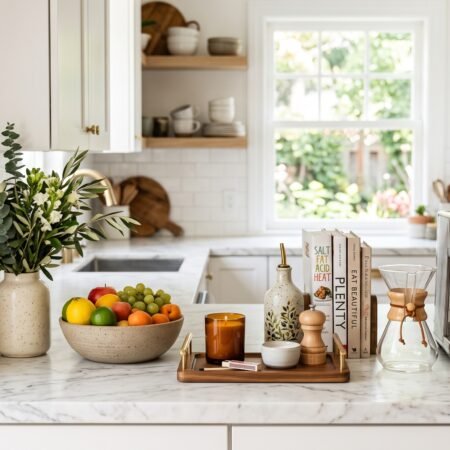
- Light, natural color palettes – whites, warm neutrals, soft greens and clays that make rooms feel bigger
- Natural materials – wood, linen, stone, and rattan instead of heavy synthetic finishes
- Smart storage – reducing visible clutter without hiding everything behind expensive cabinetry
- Comfort over perfection – a slightly imperfect, lived-in room beats a stiff showroom look
None of this is new to professional design good designers have used these ideas for decades. What DrHomey-style content does is package them into a simple, approachable system for people who aren’t hiring a professional.
Why This Approach Is Getting Popular
Search interest in this kind of practical, low-cost styling has grown alongside a broader shift away from maximalist, trend-chasing decor. A few real factors are driving it:
- Renovation costs are high, so people want visible results without a full remodel.
- Small living spaces (apartments, rentals, starter homes) need furniture and layouts that do more with less.
- Remote and hybrid work turned living rooms and bedrooms into offices, so rooms need to multitask.
- Social media fatigue — many people are tired of overly staged, unlivable “perfect” rooms and want something realistic.
If you rent, this matters even more, since permanent changes usually aren’t an option.
The 60-30-10 Color Rule (And Why It Works)
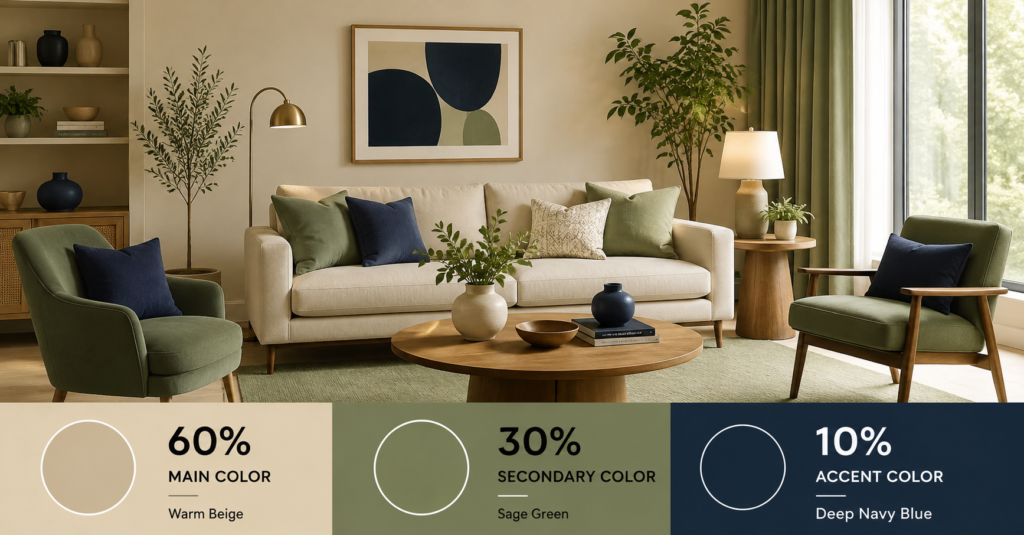
One idea that shows up consistently in this style and in professional design generally is a simple color ratio:
| Percentage | Role | Example |
|---|---|---|
| 60% | Dominant color | Wall paint or large furniture |
| 30% | Secondary color | Curtains, rugs, accent chair |
| 10% | Accent color | Cushions, art, small decor |
Following this ratio prevents a room from feeling either too plain or visually chaotic. It’s one of the fastest ways to make an amateur room look intentional, because your eye instinctively reads balanced color as “designed” rather than “decorated.”
Room-by-Room Ideas
Living Room
Start by defining the room’s real job. A living room built for movie nights needs a different layout than one meant for quiet reading. Once that’s clear:
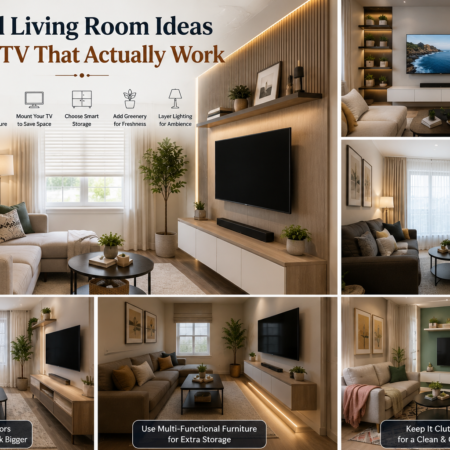
ALSO READ: Small Living Room Ideas With TV That Actually Work
- Anchor the seating around one focal point (TV, fireplace, or window view)
- Leave at least 30 inches of walking space between furniture
- Use one large rug that all major furniture legs touch — small rugs make rooms feel disconnected
Kitchen
Efficiency matters more than styling here.
- Keep countertops mostly clear; store daily-use items in drawers, not on display
- Use vertical space cabinets that run to the ceiling reduce visual clutter above eye level
- Open shelving works only if you’re genuinely tidy; otherwise it adds visual noise
Bedroom
The goal is rest, not photos.
- Keep color palettes muted and warm avoid bright, high-energy colors near the bed
- Blackout curtains and layered, soft lighting matter more than decorative pieces
- Under-bed storage solves clutter in small bedrooms without adding furniture
Bathroom
Small changes have outsized impact.
- Replace old hardware (faucets, towel bars) a low-cost update with high visual return
- Use fluffy, matching towels; they read as “hotel-clean” instantly
- A single healthy plant that tolerates humidity (like pothos) softens a hard, tiled space
Budget Comparison: What You Can Actually Do
| Budget | What’s realistic |
|---|---|
| Under $200 | New lighting, cushions, a rug, decluttering, paint touch-ups |
| $200–$1,000 | Accent wall paint, new curtains, small furniture pieces, shelving |
| $1,000–$5,000 | Furniture replacement, lighting fixtures, flooring in one room |
| $5,000+ | Kitchen or bathroom fixture upgrades, built-in storage, full room renovation |
There’s no single “correct” budget. The style is meant to scale — the same color and layout principles apply whether you’re spending $50 or $5,000.
Common Mistakes People Make
- Buying furniture before measuring the room — this is the single most common and costly mistake
- Choosing trend colors over ones you’ll like in five years
- Over-decorating shelves instead of leaving intentional breathing room
- Ignoring lighting layers — relying only on one overhead light instead of mixing ambient, task, and accent lighting
Is This Approach Right for Everyone?
Honestly, no single design philosophy fits every home or every person. If you love bold maximalism, rich dark colors, or ornate traditional styling, a light-neutral, minimal-clutter approach may feel too plain for your taste. The value of this style is really in its principles — function first, balanced color, natural materials — which you can borrow and adapt, rather than following as strict rules.
Conclusion
Interior design drhomey isn’t a magic formula or a licensed methodology it’s a practical, common-sense way of thinking about your home: define how a room is used, balance your colors, choose materials that feel good in daily life, and keep clutter under control. Applied consistently, these small decisions add up to a home that looks better and actually works better, regardless of your budget.
FAQs
Is DrHomey a real interior design company or designer?
No. Based on available information, DrHomey is best understood as a home-styling concept or content theme, not a registered company, licensed designer, or certified school.
Do I need to hire a professional to use this style?
No. Most of the ideas color ratios, furniture placement, decluttering, lighting layers are DIY-friendly and don’t require professional help, though a designer can speed things up for larger renovations.
What’s the cheapest way to start?
Decluttering, rearranging existing furniture, and updating lighting or cushions cost little to nothing and usually make the biggest visible difference first.
Does this style work for rented apartments?
Yes. Instead of relying on permanent renovations, it focuses on furniture, color, lighting, and layout. As a result, it’s especially practical for renters who can’t make structural changes.
What colors are typically used?
Warm neutrals, soft whites, muted greens, and clay or terracotta tones are common, paired with natural materials like wood and linen.
How long does it take to redesign a room this way?
A single room refresh (declutter, rearrange, new textiles) can often be done in a weekend. Larger changes like furniture replacement or painting may take one to two weeks depending on budget and availability.
For more updates visit: DAILY FRONT

Other Articles

Gadget Guard Screen Protectors Do They Actually Work?
Brandon Lake Net Worth What We Actually Know in 2026

No Comment! Be the first one.